
Explore everything you need to know about our Poly Cisterns below.
What is a Cistern?
A cistern is a large, waterproof tank that stores water for domestic use or consumption. They are commonly used to collect rainwater from impervious surfaces, such as roofs made of asphalt shingle, slate, or sheet metal. They can also be filled by a water delivery truck.
Cisterns can be used for a variety of purposes, including: Flushing toilets, Watering gardens and lawns, and Supplementing water from wells. Cisterns can be a good option for rural homes without access to a municipal water supply. However, there are some things to consider when using a cistern, such as:
Water treatment
If you plan to use the water for drinking, you should install a disinfectant system. You can also install filters to clean the water before it reaches your home.
Maintenance
Cisterns should be cleaned annually. This involves draining the water, removing any dirt, scrubbing the walls, and refilling the tank. You should also check the cistern for cracks or erosion while it's empty.
Roofing materials
Some roofing materials, such as painted surfaces, some wood shingles, and some asphalt shingles, may impart an objectionable taste, colour, or contamination to the collected rainwater.
Understanding the Basics
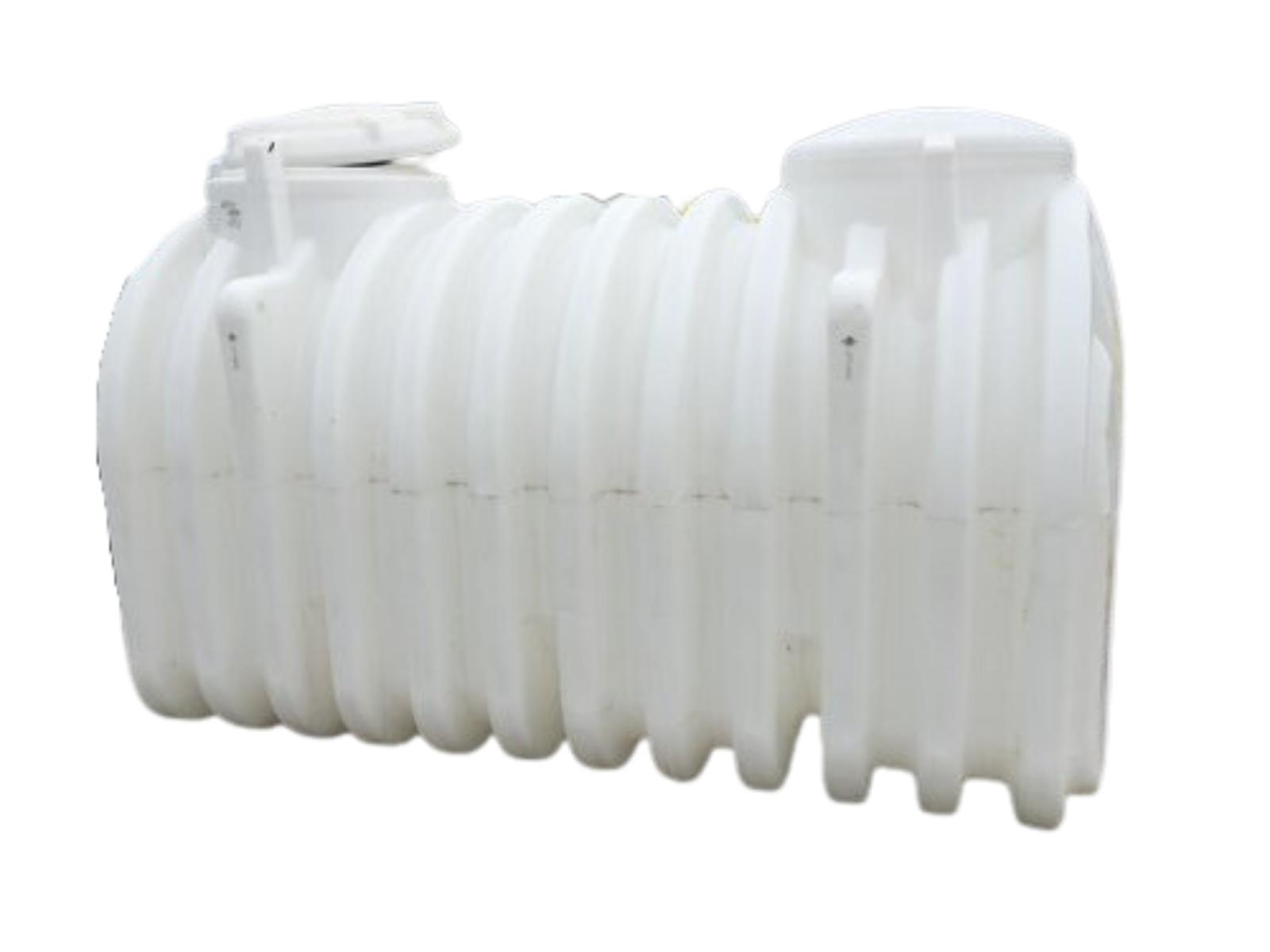
A cistern tank is primarily used for storing water in rural areas where potable water isn’t available through municipal services. They’re also used as an alternative to well water, which can experience issues with inconsistent yield, or poor groundwater quality. Designed for permanent sub-grade installation, poly (plastic) cistern tanks are perfect for many applications. Available in 325 GAL to 1700 GAL. Poly Cistern Tanks are intended for bulk storage or collection of potable water and designed for below-ground level installations. Manufactured from high-density polyethylene with U.V. inhibitors and feature a trapezoidal, deep rib design. Our cistern tanks are FDA-approved for potable water and are manufactured for the containment of liquids up to 1.7 specific gravity.
What Size is Right For My House?
The size of cistern you need for your house depends on a number of factors, including:
Water usage
The average person uses about 55 gallons of water per day, and a family of four might use 120 gallons per day. This includes cooking, cleaning, dishes, using the bathroom, and more.
Property size
For large homes and properties with extensive landscaping, you might need a cistern of at least 10,000 gallons. For most homes, 1,500–3,000 gallons is usually enough.
Annual precipitation
If your area has an average of 36 inches of rain per year, you can use a guide to calculate the size of your tank. If your area's rainfall varies a lot by month, you can multiply your roof's square footage by 0.6, then by the highest monthly precipitation.
Water delivery
Consider how often a water delivery truck will need to refill your cistern. A family of four with a 3,000 gallon tank will require a delivery roughly every three weeks.
Sizing Options + Recommendations
If used efficiently, cistern owners will still consume an average of approximately 30 gallons daily per person. Using this math, a family of four being conservative with their water will use an average of 120 gallons daily, or 3600 gallons monthly.
Our largest option is a 1700 Gallon Poly Cistern Tank or a 2500 Gallon Low Profile Aquifer Cistern. These tanks would be refilled by a water delivery truck approximately every 10-20 days for a family of four. Depending on your water usage, number of people in your household, and if you have a secondary water source such as rainwater collection, you may be able to use a smaller tank. Water can become stale if stored for too long, so having it filled frequently will create a more enjoyable experience.
| PART NO. | CISTERN TANKS | Weight | Dimensions |
| AST-0325-1W | 325 Gallon | 134 | 54×56 |
| AST-0525-1W | 525 Gallon | 194 | 63×74 |
| AST-0850-1W | 850 Gallon | 259 | 60x70x60 |
| AST-1150-1W | 1150 Gallon | 414 | 60x101x60 |
| AST-1450-1W | 1450 Gallon | 473 | 58x118x72 |
| AST-1700-1W | 1700 Gallon | 567 | 58x137x72 |
Additional Options to Consider – Concrete vs Plastic (Poly)
Durability: Both concrete and poly cisterns have excellent durability when used in the correct conditions. Factors such as soil type and backfilling material are important aspects of your purchase decision.
Lifespan: Cisterns can last 30 years or more when given proper ongoing maintenance.
Cost: Concrete cisterns cost more to purchase and install than poly cistern tanks.
Installation: Concrete is heavier and less maneuverable than plastic which leads to longer installation using heavy machinery.
Corrosion: Unlike poly cistern tanks, concrete tanks may corrode over time or begin cracking with age. Proper maintenance can help reduce the risk of these issues.
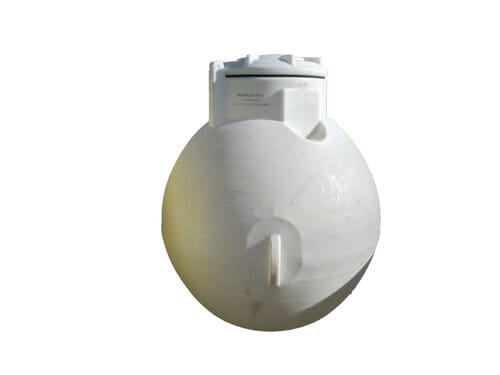
Low Profile Aquifer – Manufactured with the same materials as poly cisterns, but designed with a shorter height for areas where digging is less of an option. These are frequently used for storing water under permanent trailers or places with shallow rocks such as Northern Ontario.
Tracking Your Water Level
There are some traditional methods available of measuring the water level of a cistern tank, however, they tend to be much less accurate that modern technological options. The stick method consists of dipping a long stick or pole into your tank to see how deep the water level is. Others simply guess based on time and familiarity with their usage.
Our recommendation would be the PTLevel which can accurately measure your water level and be tracked on your phone. This allows to you access real-time measurements, and order the exact quantity of water you need.
Replacing Your Well With a Cistern
One of the challenges rural homeowners are facing at an increased rate is the inconsistency of available well-water for their home. “My well keeps running dry, what can I do?” is a question we’ve been asked this year more than ever before. If this is a problem you’ve been facing, you can transition to a cistern for a permanent fix.
The cost of repeatedly trying to save your well, improve it, or chase consistently lowering water level with deep well pumps, will cost more time, effort, and money than making the switch to a cistern. Providing clean, reliable, consistent water for good.
If a well is going dry regularly it will most likely continue to be an ongoing problem. Not to mention the impact of climate changes, dry and hot summers, etc. that have become the norm in Ontario. The good news is that installing a concrete cistern, poly cistern, or low-profile cistern can be a quick and easy job. One option that many of our customers choose is to connect their new cistern into the existing plumbing that runs from their well into their home. You can do this by bypassing the well and feeding the cistern into your plumbing system with a tee or an elbow. The benefit with this is that it will require minimal plumbing and digging, accelerate the project, and get water back into your home as quickly as possible.
Plastic Cistern Safety Requirements for Potable Water
In order for plastic cisterns to be safe for potable water storage, there are highly regulated specifications and certifications that are required. At Ontario Agra, we only offer tanks that meet or exceed these requirements.
Safety Requirements We Meet or Exceed
Food-Grade, Virgin Polyethylene Resin: The plastic should be made from 100% virgin (not recycled) polyethylene resin that is specifically approved for food contact by regulatory bodies like the FDA (U.S. Food and Drug Administration).
ANSI/NSF 61 Certification: This is a crucial standard. NSF/ANSI Standard 61 “Drinking Water System Components – Health Effects” ensures that materials coming into contact with drinking water do not leach harmful contaminants into the water.
BPA-Free and Phthalate-Free: Reputable manufacturers of potable water tanks ensure their products are free from Bisphenol A (BPA) and phthalates, chemicals that have raised health concerns. Polyethylene (HDPE, LDPE, PP) tanks are generally free of these.
UV Stabilization: For outdoor tanks, UV stabilization is important to prevent degradation of the plastic from sunlight, which can impact its integrity and potentially lead to leaching.
Proper Design and Installation: The tank should be designed to be watertight, have a secure access hatch, and be installed according to the manufacturer’s instructions to prevent external contamination.
Using Cisterns for Rainwater Harvesting
Cisterns are a great way to conserve water and save money on your water bill. With the growth of environmental conservation efforts and self-sufficiency, we’ve made it our goal to offer everything you need to set up your rainwater harvesting system. Including cisterns, liquid storage tanks, pumps, PVC pipes, fittings, and accessories.
Planning & Design
Determine your needs: By understanding what you’re planning on using your rainwater for, you can determine how much you need to store and collect. Common uses are gardening, showering, sinks, and toilets.
Calculate rainfall: There are plenty of online resources that can tell you what the average annual precipitation is in your location. An approximate average throughout Ontario is 35 inches of rain. You can then calculate the square footage of your collection area and your rainfall to get an approximate quantity of available water. An average house in Ontario can collect up to 40,000 USG annually.
Size your cistern: Based on your needs and rainfall, choose an appropriate size. The size of your cistern will depend on the amount of rainfall you receive, the size of your roof, and your water usage. A general rule of thumb is to have enough storage to last you through the dry months. Poly cisterns are available up to 1700 USG, and Concrete cisterns up to 6,000 Gallons. You can learn more about water consumption levels on our Cistern overview article here.
Placement: Cisterns can be placed above or below ground. Above-ground cisterns are easier to install and maintain. They are most frequently used for gardening, and are typically gravity-fed without the use of a pump. You can choose from a variety of liquid storage tanks for this purpose, as they don’t need to handle the weight of being buried. Below-ground cisterns are more aesthetically pleasing, but they require more excavation and planning.
Filtration: Plan for a system to remove debris and contaminants. We recommend your primary filter options be installed on the gutters.
Installation
Prepare the site: Excavate for underground cisterns or create a level surface for above-ground ones. For above ground cisterns, we recommend a layer of crushed stone to help with stability and drainage.
Install the cistern: Ensure it’s level and secure.
Connect plumbing: Connect downspouts to the cistern with PVC pipes. You can find all of the PVC pipes, fittings, valves, and accessories at Ontario Agra, 5377 Elcho Road, Wellandport, ON.
Install a filtration system: This might include a first-flush diverter and a filter.
Install a pump (if needed): For pressurized water use, typically with underground cisterns being used inside your home. You can explore the range of pumps we offer on our Pumps and Plumbing page. We offer free Canada-wide shipping on all pumps and can have them delivered within a couple of days.
Maintenance
- Regularly clean gutters and filters.
- Inspect the cistern for leaks or damage.
- Periodically drain and clean the cistern.
Important Considerations for Ontario
Regulations: There are a few regulations in Ontario regarding rainwater harvesting. Be sure to check with your local municipality for any specific requirements.
Winterizing: If using above-ground cisterns, drain them before winter to avoid freezing. This is a great time to clean your cistern while it’s empty.
Water quality: Consider additional treatment for indoor use. Rainwater is relatively clean, but it can still contain contaminants. It is important to have a filtration system in place to remove any debris or harmful bacteria.
FOR ADDITIONAL POLY CISTERNS, PLEASE SEE OUR LOW PROFILE AQUIFER PAGE.
Still searching for the correct cistern or septic tank? View the rest of our tank options here. You can also view Poly Cistern frequently asked questions.



*Always check with your municipal requirements prior to installation.